

What to do in a medical emergency
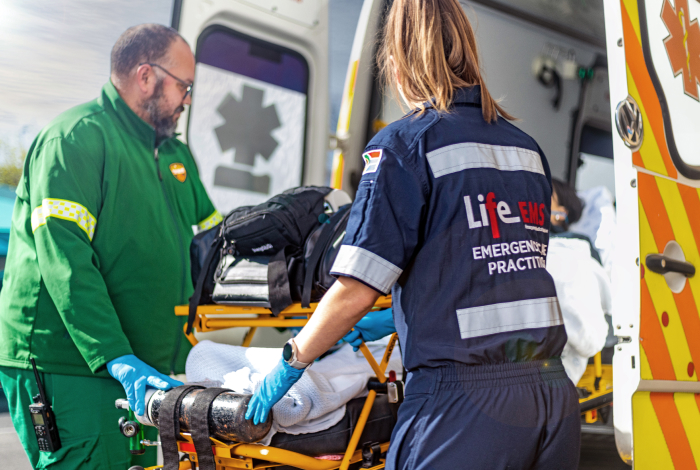
Medical emergencies can happen without warning. Whether it is a family member who collapses, a child who is struggling to breathe or someone who has been seriously injured, knowing what to do in those first few minutes can make a significant difference to the outcome.
While it is natural to feel overwhelmed, staying as calm as possible allows you to think clearly, protect yourself and others and get the right care as quickly as possible.
Know when to seek emergency assistance
Some medical emergencies are obvious, while others can be more difficult to recognise. Seek urgent medical assistance if someone has chest pain, difficulty breathing, signs of a stroke (such as facial drooping, arm weakness or slurred speech), severe bleeding, loss of consciousness, or a seizure. Also seek immediate help after a serious accident or fall, for a severe allergic reaction, or if someone suddenly becomes confused or behaves in a way that is unusual for them. If you are unsure whether a situation is an emergency, it is always safest to seek professional advice rather than delay getting help. Acting quickly can improve outcomes and, in some situations, may save a life.
Prioritise safety before assisting
If someone needs urgent medical help, first make sure the environment is safe. Whether it is a road accident, a fall at home or a medical emergency in a public place, look for hazards before approaching. These may include traffic, fire, electrical dangers, gas leaks or violence. If the scene is unsafe, move to a safe location and call emergency services immediately.
"In an emergency, it is natural to focus on the person who needs help, but your safety is the first priority. Emergency situations can be unpredictable, and putting yourself at risk may result in more people being injured. Always assess the scene first and then call for emergency services assistance," advises Dr Charl van Loggerenberg, General Manager: Emergency Medicine, Life Healthcare.
Call for emergency medical services
Once it is safe to approach, check whether the person is responsive and breathing normally. Gently speak to them and observe how they respond. If they are unresponsive, not breathing normally or you are concerned about their condition, call Emergency Medical Services (EMS) immediately. Remain calm and answer the operator's questions as accurately as possible.
You will typically be asked:
- your exact location or nearest landmark
- what happened and when it happened
- the patient's age and sex, if known
- whether the patient is conscious and breathing
- whether there are any obvious injuries or severe bleeding
- your contact number in case the call is disconnected
Stay on the line unless instructed otherwise. The operator may provide life-saving instructions while emergency responders are on their way.
Professional emergency care should always be sought during a medical emergency. However, first-aid training can help you recognise life-threatening situations, provide appropriate assistance when it is safe to do so and respond more confidently while waiting for emergency responders to arrive. Consider completing a basic first-aid course so you feel better prepared if an emergency happens.
Watch as Sinjin Burgoyne, an advanced life support paramedic at Life The Glynnwood, explains your options in an emergency.
Know your rights and responsibilities during a medical emergency
Patients continue to have important rights throughout their care. South Africa's Constitution protects the right of access to healthcare services, and the National Department of Health’s Patients' Rights Charter helps ensure that these rights are respected across the healthcare system. This means that every patient has the right to receive emergency medical treatment, be treated with dignity and respect and receive information about their condition and treatment in a way they can understand. The way emergency care is provided may depend on the patient's condition and the urgency of treatment required.
Healthcare professionals will explain recommended treatment options and obtain informed consent before proceeding. However, in life-threatening emergencies where a patient cannot provide consent and delaying treatment could place their life at risk, healthcare teams may provide emergency treatment in the patient's best interests.
Navigating emergency care
If ambulance or paramedic transport to hospital is required, patients and their families may discuss a preferred nearby hospital with the emergency care team. Where clinically appropriate, emergency personnel will consider these preferences together with factors such as the patient's condition, travel time, available services and operational requirements. "In an emergency, every minute matters. Our first priority is ensuring the patient receives the right level of care as quickly as possible. In critical situations, the nearest appropriate facility may be the safest option,” explains Dr van Loggerenberg.
Patients requiring emergency care will be assessed and treated in accordance with their clinical needs, following the international triage coding system. Emergency units are required to provide emergency medical treatment and stabilisation where needed, regardless of a patient's funding status.
Patients and their loved ones also have a responsibility to share accurate information where possible, ask questions if they do not understand something and follow the guidance of healthcare professionals.
Having a family member or next of kin readily available can also assist healthcare teams when important medical information or treatment decisions are required.
Have important details on hand
You can’t predict an emergency, but you can make sure the right information is available when it is needed. Keep important medical information easily accessible, including:
- chronic medical conditions
- current medications
- allergies
- medical aid details
- emergency contacts
If it is safe to do so and you have first-aid training, you may be able to provide assistance while professional help is on the way. Always follow any instructions provided by the emergency call centre operator.
Some Life Healthcare hospitals offer dedicated Advanced Life Support (ALS) paramedic response services. These highly trained paramedics are equipped to provide advanced emergency care, including critical interventions that may be required before a patient reaches hospital. Availability and service areas vary between hospitals.
Medical emergencies are unpredictable, but being prepared can help you respond more effectively when every second counts. Knowing who to call, understanding when to seek help and keeping important medical information close at hand can make a meaningful difference in an emergency.
Visit this page to learn about Life Healthcare's Emergency Units and Emergency Medical Services.