

Understanding the hidden risks of high blood pressure
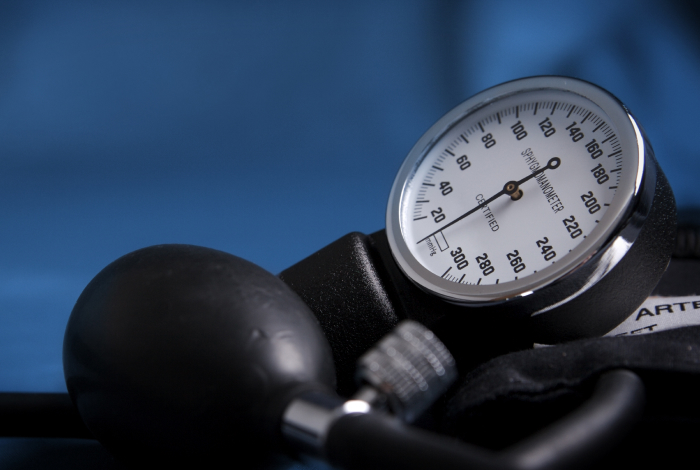
You can feel completely well and still be at risk. High blood pressure, or hypertension, is often called a “silent” condition because it can develop without symptoms while placing ongoing strain on the body’s most vital systems.
“People can have no symptoms at all, while the damage can actually be happening in the background,” explains Dr Nerisha Tathiah, Life Healthcare Clinical Regional Manager and Life Healthcare’s Health Research & Ethics Committee (HREC) Chairperson. “You can feel completely normal, but still be at risk of heart attack, stroke, kidney damage and other complications.”
Why “silent” doesn’t mean harmless
Hypertension is dangerous because it progresses quietly. Over time, increased pressure in the blood vessels causes structural changes that affect how the heart and organs function. “It is like pushing water through a narrowed pipe. You need more pressure,” says Dr Tathiah. “That ongoing strain affects the heart, the blood vessels and organs like the kidneys and eyes.”
What happens in the body when blood pressure stays high
When blood pressure remains consistently elevated, it causes long-term strain on the heart, blood vessels and kidneys. “The vessels become stiff and narrowed, so there’s more resistance,” explains Dr Tathiah. “The heart has to work harder and over time this can lead to heart enlargement, rhythm disturbances and eventually heart failure.” High blood pressure can also damage the blood vessels that carry blood to the heart. “Over time, this can lead to plaque buildup, leading to a risk of heart attack. Similarly, when blood vessels that supply the brain are damaged, there is an increased risk of stroke.”
The kidneys are also at risk because they depend on delicate blood vessels to filter waste effectively. Prolonged pressure can damage these vessels, reducing kidney function and potentially leading to chronic kidney disease.
“This is what we call end-organ damage,” she says. “The heart, brain, kidneys – and even the eyes – can all be affected.”
She explains that this gradual process is why routine screening is essential. Symptoms alone are not a reliable warning system.
Symptoms: often absent, sometimes a late warning
Most people with high blood pressure will not experience symptoms. When they do appear, they may indicate significantly elevated levels. “These can range from early morning headaches and nosebleeds to vision changes, irregular heartbeat or shortness of breath,” says Dr Tathiah. “But you must never wait for symptoms to appear. By then, the condition may already be advanced.”
What your numbers really tell a doctor
A blood pressure reading reflects the force of blood against artery walls during heart contraction (systolic) and relaxation (diastolic). But interpretation goes far beyond a single measurement. “Physicians interpret these readings in the context of the whole patient,” explains Dr Tathiah. “Family history, lifestyle and conditions like diabetes or kidney disease all influence overall risk.” Diagnosis is based on consistently elevated readings over time, not isolated spikes that may occur due to stress or activity.
How physicians determine the right treatment plan
Management is highly individualised and based on a patient’s risk profile and blood pressure patterns. “A treatment management plan comprises everything from lifestyle changes to medication,” says Dr Tathiah. “It depends on where the patient falls on the risk spectrum.”
For many patients, the first step is lifestyle modification, including reducing salt intake, improving diet, increasing physical activity, managing weight, limiting alcohol and stopping tobacco use. Medication is introduced when necessary, depending on severity and risk.
“This is done in conjunction with the patient,” she adds. “We often monitor progress over a set period before deciding whether treatment needs to be adjusted.”
When to seek help, even without symptoms
Because hypertension is often symptomless, routine checks are essential, especially for those with known risk factors such as family history, inactivity, poor diet or other chronic conditions. “If you’re worried, or even just unsure, it is always better to have your concerns assessed by a healthcare professional,” says Dr Tathiah.
Hypertension is a chronic condition that requires continuous monitoring and adjustment. “This is not a once-off intervention,” says Dr Tathiah. “It is a partnership between patient and doctor.”
When health concerns arise, seeking advice from a qualified healthcare professional remains the safest and most reliable path to care. Ensure your blood pressure is regularly monitored by your GP, who will refer you to a specialist if necessary. Visit our website to find specialists within our hospitals.