

Henry Mntungwa’s journey through kidney failure
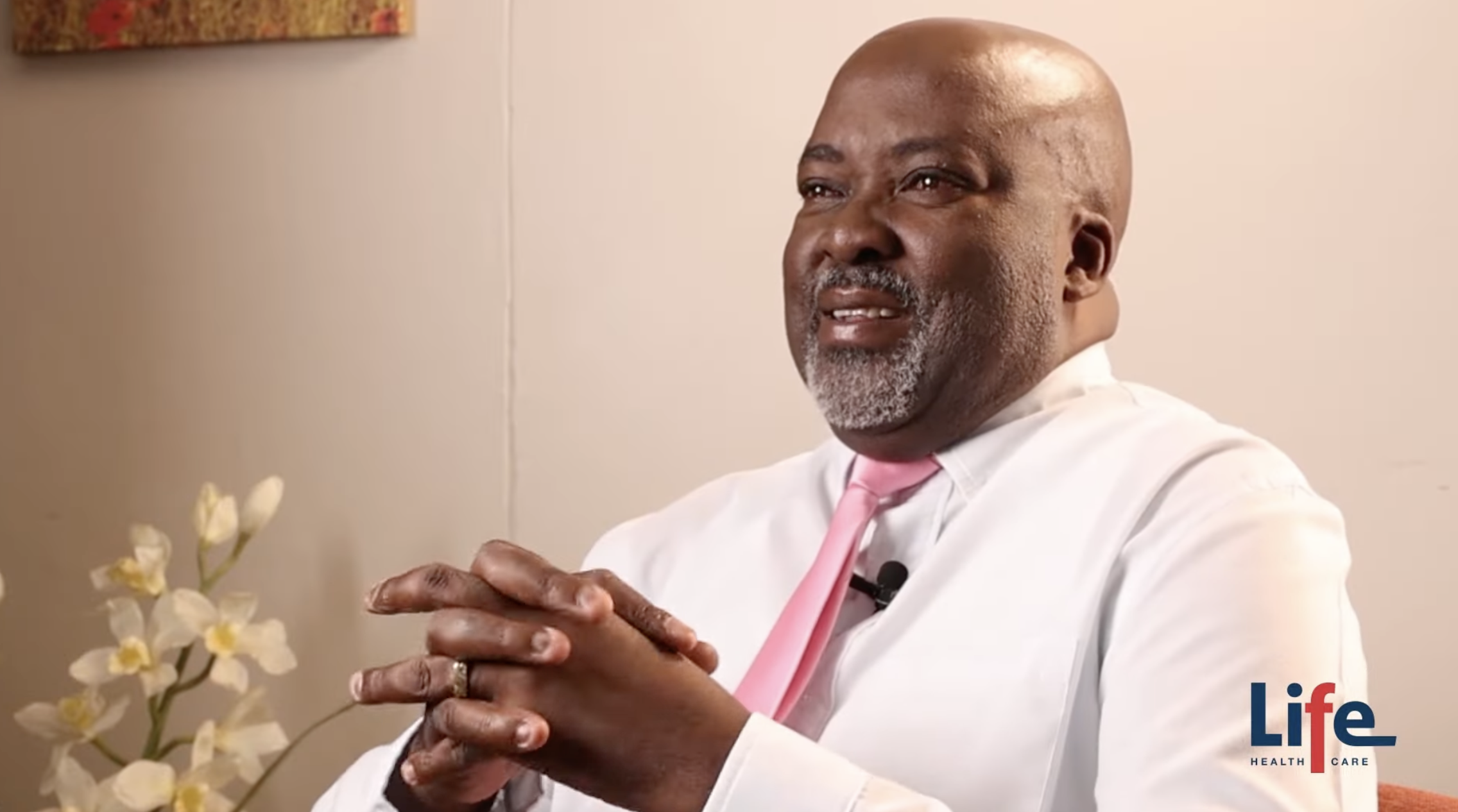
After a sudden medical crisis and months in hospital, Henry Mntungwa rebuilt his strength through expert treatment, co-ordinated renal care and unwavering support. Today, he lives actively on dialysis and with renewed purpose and confidence in managing his health.
When Henry Mntungwa speaks about his health journey, gratitude is never far from the surface. At 63, he lives with stage 5 chronic kidney disease and undergoes dialysis twice a week. Yet his story is not defined by illness, but by living well with his condition. It is shaped by clinical expertise, co-ordinated support and a determination to take an active role in his own care.
His experience at Life Hilton Private Hospital shows what becomes possible when medical expertise and genuine compassionate care come together in a patient-centred approach. We first shared Henry’s story in our Moments that matter video series and this article revisits his journey to reflect how far he has come since.
A sudden crisis
Henry’s diagnosis followed a medical emergency caused by a severe drop in blood sugar after he accidentally administered two insulin injections to manage his diabetes. “I couldn’t walk; I couldn’t do anything. I was just tired,” he explains. Henry regained consciousness in hospital hours later and whilst admitted, learned his kidneys had failed – a diagnosis that can be life-threatening without treatment. Confronted with this reality, he sought specialist guidance and contacted a nephrologist who reviewed his medical results remotely and reassured him that renal treatment could begin. “He looked at my results and said, ‘Don’t worry, I can sort this out – kidney replacement therapy is an option available,’ Henry recalls, reassuring him that while his kidney disease could not be reversed, it could be carefully managed through specialist renal treatment. “Immediately, when he told me, my mind changed. I was positive all the way,” adds Henry.
Shortly afterwards, Henry was admitted for intensive treatment, the beginning of a long and demanding recovery that would span months and require support across multiple levels of care. “I was admitted to hospital for five months and three weeks… It was very difficult.” During that time, his condition required close monitoring and specialist renal support, including dialysis, as he moved between ICU, high care and the general ward. As his renal treatment stabilised his condition, his strength began to return, marking the first steps towards regaining independence and adapting to long‑term renal care.
Co-ordinated care for long-term renal health
Henry credits his progress to a multidisciplinary approach that addressed not only kidney function, but his overall physical and emotional well-being. “The staff, the psychologist, the dietician, the physio, everyone supports me. So, I’m very excited about that, I’ve got a good team that is looking after me.”
His care plan included rehabilitation exercises, nutritional management, psychological support and ongoing clinical monitoring. Family members were included in his recovery process so they could support him at home. “My doctor invited me to bring my boys to the hospital so that the physio can talk to them. He gave us a ‘task’ to do and now we do exercises five times a day.”
Henry describes how his case was regularly reviewed by the care team to monitor progress and adapt treatment. “They discussed me in meetings so that the entire healthcare team could collaborate on my treatment. My health and well-being became the agenda. The medical team spent time speaking to me and understanding my condition. They wanted to know how they can best help me.”
This coordinated care approach continues today as part of the renal unit’s integrated care programme, delivering multidisciplinary, patient‑centred support to Henry and others living with chronic kidney disease. He believes that this is what contributes to giving him confidence that every aspect of his health was – and is – being actively managed. “That makes me very proud. I’m very thankful for that support.”
Human care in critical moments
Alongside medical treatment, Henry recalls moments of compassion that strengthened his resolve during difficult periods of stabilising his health. During one dialysis session, when his blood pressure dropped – a common challenge for dialysis patients – the weight of everything he was facing caught up with him. Sensing this, a nurse sat beside him and gently encouraged him to focus on what he had already overcome. “Sister Leigh came and sat on my bed. She said, ‘Henry, you have come a long way. You can’t give up now.’”
The reassurance had an immediate physical and emotional effect. “My blood pressure started going back to normal; I will never forget that.”
Support extended beyond the hospital environment. After discharge, staff continued checking on his well-being. “They used to phone me at home. ‘Are you okay? Are you going to make it to hospital? Do you need transport?’”
For Henry, these gestures reinforced a sense of partnership in his journey. “That was the biggest support I ever had. I appreciate and I’m humbled that the team was supporting me all the way through.”
Living actively with dialysis
Today, Henry attends dialysis twice weekly for four-hour sessions. He has integrated treatment into an active routine that includes consulting work, exercise and community involvement. “I come in walking and I leave walking, too. There’s nothing that says to me, ‘I’m sick.’”
He remains closely engaged in managing his condition, tracking his blood pressure and glucose levels and following clinical guidance on diet and fluid intake – an important part of living well with kidney failure. “I look after myself, I eat well, I’m healthy, I’m following the doctor’s instructions.”
His care team continues to monitor his progress and provide reassurance about his health status.
Stability shaped by partnership
Henry describes his relationship with his healthcare team as collaborative and empowering. He was encouraged to ask questions, understand his treatment and participate in decisions affecting his care. “My doctor says to me, ‘Don’t worry about the time – I’m here for you. Ask me any question.’”
This openness helped him transition from critical illness to long-term renal care management with confidence and stability.
Years after discharge, he continues to live independently and has not required readmission to hospital. “It has been four years now and I haven’t been re-admitted. I look after myself.”
Looking ahead with purpose
Henry now hopes to share his experience to raise awareness about kidney health and encourage regular health checks, helping to identify kidney problems early and ensure treatment begins sooner, making a real difference to the outcomes. “I have a good story to tell. I want to create awareness about kidney health.” His journey reflects what is possible when clinical expertise, coordinated support and patient determination come together in restoring not only health, but hope. “If you feel something is wrong with you, go see a doctor and let them treat you,” he emphasises.
Visit our website to learn more about renal care and our renal dialysis services.