

Supporting emotional and mental well-being during acute rehabilitation
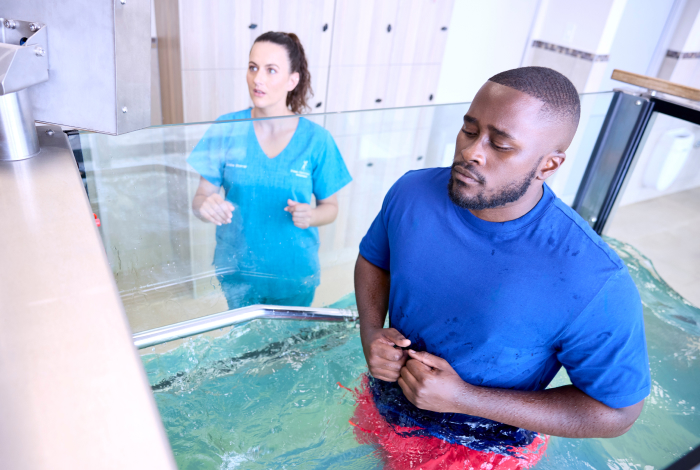
Recovering from a serious injury, surgery, stroke or medical illness can feel overwhelming – not only physically, but emotionally and mentally too. Adjusting to these changes takes time, reassurance and ongoing support.
Holistic acute rehabilitative care focuses on improving physical function as well as emotional well-being and mental health, both of which are essential for recovery.
At Life Rehabilitation, these elements are integrated into every patient’s journey. Because meaningful progress happens when both the mind and body are supported with compassion, guidance and patient-centred care.
Emotional well-being vs. mental well-being
Although closely related, emotional and mental well-being are not the same:
- Emotional well-being refers to how patients experience and manage feelings such as fear, frustration, sadness or hope. It focuses on emotional adjustment and resilience during a challenging time.
- Mental well-being (or mental health) is broader. It includes emotional regulation but also cognitive functioning, coping strategies and psychological conditions such as anxiety or depression. Supporting mental health ensures patients can stay motivated, process changes and engage fully in therapy.
Both aspects work together: emotional care helps patients cope day-to-day, while mental health support provides the foundation for sustained recovery.
The emotional side of recovery
Acute rehabilitation often brings a range of emotions as patients adapt to new routines and changes in independence. Psychologists and social workers help patients understand these feelings, build resilience and stay engaged in therapy. Through individual counselling, group therapy sessions and regular collaboration with physiotherapists, occupational therapists and other members of the rehabilitation healthcare team, emotional support becomes a natural part of the personalised recovery programme. This ensures patients feel supported, motivated and confident as they work toward their goals.
Encouragement and progress
Every acute rehabilitation journey is unique. Some improvements are visible and measurable, while others take consistent repetition and guidance. Through it all, the interdisciplinary rehabilitation team provides steady encouragement, helping patients recognise each achievement – no matter how small. Motivation often grows through positive reinforcement, supportive communication and celebrating progress, which helps patients adjust to a new way of living while participating actively in their therapy.
Support that continues at home
Acute rehabilitation does not end at discharge. Life Rehabilitation places strong emphasis on continuity of care, offering follow-up sessions, home-based strategies and ongoing emotional guidance. This empowers patients to maintain progress and remain connected to their goals as they reintegrate into daily life. Support from loved ones and caregivers also plays an important role. Whether it is family, friends or a trusted caregiver, having someone who understands the emotional and practical aspects of physical rehabilitation can offer meaningful encouragement and help patients work toward realistic, supportive goals.
A new outlook on life
Many patients describe their rehabilitation journey as a time of rediscovery, one that helped them understand their strengths, adapt to changes and gain confidence in their abilities. While life may look different after a serious injury, stroke or medical illness, the focus remains on rebuilding function, participating in meaningful activities and moving forward with continuous support. Rehabilitation is a journey built on progress, resilience and consistent support. If you or a loved one need acute rehabilitation support, speak to your doctor for a referral to your nearest Life Rehabilitation unit.